Sharetools

Friday, May 1, 2020

How to Use Chakra Colors to Renew Energy and Create Wellness

Chakra Colors for Energy and Health


There are seven major energy wheels or chakras in our bodies, and each is associated with a different color. Colors work at the cellular level and bypass thinking. Therefore relax, kick-back and learn how chakra colors can best serve you.

Post updated 2/15/2022

 Chakra means "wheel" in Sanskrit, and ancient Hindus/yogis described them as our personal energy field, or points of physical or spiritual energy in the human body.

The picture above is a one dimensional representation, but it indicates the general area of the main chakras in the physical body from root chakra at the bottom or base to the crown chakra at the top. 

These centers represent etheric energy, chi, life force, prana/breath, and terms used since the beginning of time to show the balance between mind, body, and spirit.

Etheric energy is around us and in us. It enlivens and nourishes physical matter and is in all space in the universe. It lifts our spirit and makes us to feel vitally alive.

Continue reading and discover


How to Use Chakra Colors to Renew Energy and Create Wellness 


Chakra Colors for Energy and Health
ROOT CHAKRA: Symbolized by the color red, the root chakra grounds us with a sturdy foundation for work and play. It's located at the base of our spines. The root chakra is the first of the seven primary chakras in our subtle body energy field. 

If we feel exhausted, lethargic, and chilled, activities including meditation, affirmation recitation, mantra chanting, yoga poses including the mountain and forward bend, and visualizations can stabilize this chakra. 

Red foods such as tomatoes, strawberries, raspberries and beets help adjust body temperature as well as nourish the first chakra. 

SACRAL CHAKRA: The colors for the 2nd chakra are orange, blue, and white. Balance it by wearing clothing in these hues, and placing accent pieces of orange, blue, and white in home or office. 

The sacral chakra's natural element is water. Hydrate with plenty of water, and enliven and strengthen intimate relationships by drinking sacral chakra sensual liquids like mango juice, orange juice, and carrot juice. 

Tune up this chakra to heal and go with the flow, instead of holding on. Use sacral chakra energy to be more productive, creative, and focused.

SOLAR PLEXUS CHAKRA: The color for the solar plexus chakra, the 3rd chakra, is golden yellow and its natural element is fire. When we display decorative items in golden yellow in our living space, it cheers us and expands thinking. 

We can sense this area is aligned, when we feel self-confident, goal oriented, or are able to risk trying something new. The vibrational frequency of golden yellow brings energy to the spleen, liver, pancreas, and stomach and draws healing to these organs. When we regain balance in this chakra, its golden yellow power enhances our mood as well. 

Good foods for this chakra are spicy ones, especially ginger and curry. The solar plexus is nourished by whole grains, and organic corn is a sure-fire bet.

HEART CHAKRA: Green is the color of the 4th of the seven chakras, the heart chakra. Color energy can bypass thinking and works at the cellular level. Gazing at the color green or imaging it can create balance, harmony, self-compassion, and rejuvenation.

When aligned, the heart chakra is an impressive resource for lovingkindness. The heart chakra is an energy center that blends the physical and spiritual body. It influences the cardiovascular system, and lungs. 

The heart chakra's natural element is air. Activities including gardening, walking in nature, and decorating with living green plants, adds fluidity to relationships, lifestyle choices, and helps us open our hearts to our mission or calling. Foods that empower the heart chakra include leafy greens, parsley, broccoli, peas, zucchini, and avocados. For more see What Everyone Needs to Know About the Heart Chakra.

THROAT CHAKRA: The colors that correspond to the 5th chakra are sea blue and turquoise. Two throat chakra gems that are useful in helping to clear the throat and neck area are aquamarine and turquoise. 

When the throat chakra is open, we speak our truth and are authentic. This action releases pressure that may affect the heart chakra below. The plow and the fish are yoga poses that work well to keep this chakra in top form.

To nurture the throat chakra eat blueberries, blackberries, and elderberries. Since the throat chakra's natural element is sound, chanting, affirmation recitation, and singing bring renewed energy to the throat chakra.

THIRD EYE CHAKRA: The mysterious blue color of the nighttime sky is indigo, and it’s associated with the 6th chakra. This energy center stimulates clear thinking, insights, wisdom, and spiritual awareness. 

An excellent color activity for the third eye chakra is to make an inspiring vision board. Attach drawings, paintings, photos, words, and magazine clippings of those things we want to attract into our lives onto a large sheet of paper or cardboard. 

After we finish making our vision board, it's key to hang it in a spot where we'll see it every day. This is a fun way to harness the power in our minds, this chakra, and the law of attraction to open to abundance.

CROWN CHAKRA: The colors associated with the 7th chakra are dark purple, violet, and white. Purple is the color of transformation, intuition, and mind/body/spirit integration. Violet hues increase self-knowledge and divine awareness. White is a soulful color. It’s formed when the various wavelengths of colors in the rainbow combine. 

The crown chakra is located at the top of the head or slightly above it. If this center is open , it helps us connect with our higher wisdom and works for our greatest good. Visualize one or more of the crown chakra colors enveloping a person, place, or thing that we want to understand, protect, or comfort. 

Let colors of the crown chakra lead to insights. It shines its light onto the big picture and brings serenity and peace to all who get still enough to experience it. For more about the crown chakra read Use Crown Chakra Energy to Integrate Mind Body Spirit.


💓


Before you go, please take a moment to comment below. 

In what ways are you willing to experiment with chakra colors?

For example, you may like to...

Wear chakra colors, eat foods that are chakra colors, and decorate with them. 

If you'd be so kind, please share this post on social media and provide a link back to it so others might benefit.

I read and appreciate every comment, but won't publish those with links in them. Thanks for understanding.

Wishing you many moments when you envision chakra colors, absorb their energy, and lead a more colorful life!


This post has been shared at Spring-and-Tea-Party-on-Wonderful-Wednesday

This post has been shared at Love-your-creativity-link-party-199

This post has been shared at Talent-Sharing Tuesdays Link-Up 61

This post has been shared at midlife-share-the-love-party-115


This post has been shared at unlimited-monthly-link-party-12


This post has been shared at friendship-friday-blog-hop-429 #56


This post has been shared at spin-the-wheel-and-tft-party #182

Wednesday, April 15, 2020

Why I'm Going Vegan for Earth Day

Tips to Go Vegan and Help Environment


Earth Day is an annual, global event, and on April 22nd we're celebrating this occasion in style. Over a billion people participate each year, and we hope many more join in this time.

Updated 3/27/23


My tip is to make a commitment to reuse, recycle, reduce, and repair, remake, refuse, remember, respect, and restore to live more sustainably. 

A special way I pledge to honor the earth is to reduce my carbon footprint even more than I have in the past. My grandson Noah has graciously agreed to guest  blog for me. I am thrilled and delighted to share it. 


Here's his post now.


Why I’m Going Vegan for Earth Day


Tips to Go Vegan to Help Environment


Thanks so much for taking the time to read my guest blog. My name is Noah White and I am one of Nancy’s very lucky grandchildren. 


Noah White Tips to Eat Vegan to Help Environment


In 2018, I graduated from Duke University with a degree in Environmental Science and Policy and I am now living in Oakland, CA where I hold a Master's Degree in Sustainable Solutions from the University of CA, Berkley


While I’ll be going especially vegan for this upcoming Earth Day, it’s actually not the first time I’ve eaten on a strict vegan diet. 

In 2012, when I was training as a competitive runner, I read Scott Jurek’s Eat and Run: My Unlikely Journey to Ultramarathon Greatness. Scott, a highly accomplished runner, explained how he made a transition to a vegan diet that improved his overall health and well-being.  

My stint at veganism only lasted for a month in 2012. I've transitioned to a more plant focused eating plan since then.
           
When asked, I tell people that I am a “flexitarian.” Why? Because there’s simply no denying the environmental impact that raising animals for livestock has on the environment and as such, I feel obligated to minimize my consumption of animal products. 

However, realistically, I love going out for Pizza with friends or eating a roast chicken prepared by a loved one, so I stay flexible.
            
What kind of environmental impacts am I referring to? Well, lots actually. According to a report published by the United Nations Food and Agriculture Organization, the livestock sector generates more greenhouse gas emissions as measured in CO2 equivalent – 18 percent – than transport. Yes. You read that right. If you went vegan, you would conserve more carbon emissions than if you gave up motorized transport entirely.

Greenhouse gas emissions aside, the land use impacts are hard to believe.
In fact, thirty percent of the earth’s entire land surface—a massive 70% of all agricultural land—is used for rearing farmed animals. 

Think of it this way. A third or 33% of the world’s lands suitable for growing crops and directly feeding humans, is used to produce feed for farmed animals and raise livestock.


Our overcrowded and infection-susceptible cities might just be a lot more resilient if we weren’t using so much land for livestock.

With this massive impact in mind, I won’t use any animal products on Earth Day.  And while this impact may be disheartening, I find it comforting to think that consuming less meat and animal products has such a large impact in helping the environment!

So, what will I be cooking? Well, breakfast will be sweet and rich in the form of hazelnut pancakes, using oat milk and hazelnut flour for an added twist. 


I plan on spending Earth Day isolated, in the sunshine, surrounded by greenery, breathing in lots of fresh air. 


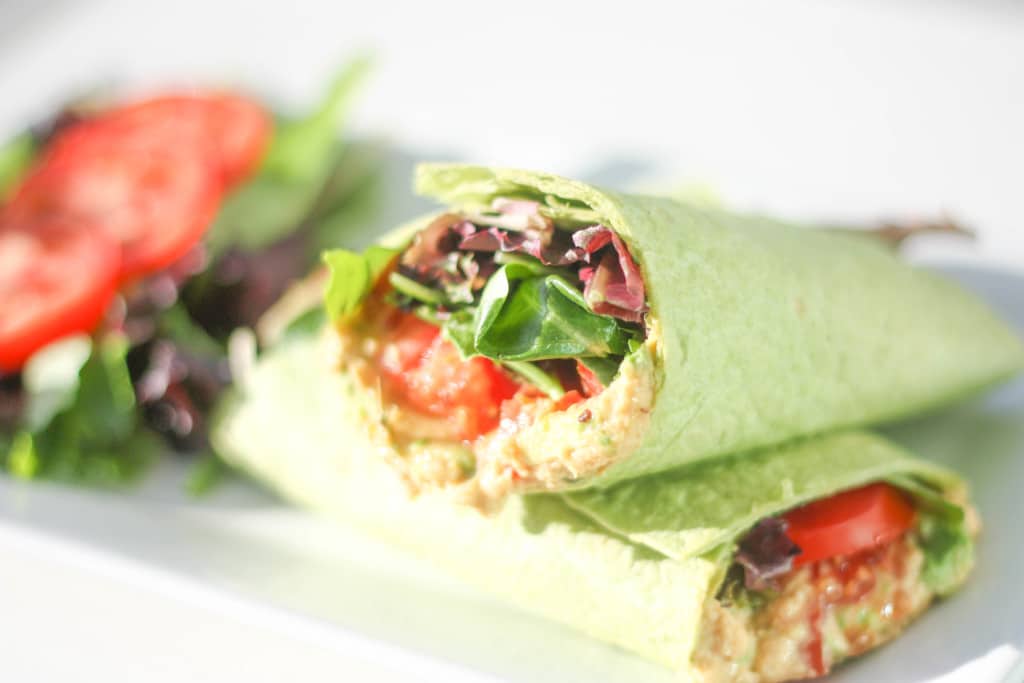
However, when I stop for lunch, I’ll probably enjoy one of my go-to snacks. It's a hummus, cucumber, and avocado wrap; so simple, yet so delish. And while I normally enjoy cheese on this wrap, I’ll either forgo it or use some vegan cheese slices. 


At the end of the day, I’ll probably sit down to watch an episode of Planet Earth, with David Attenborough’s silky-smooth voice describing the marvelous natural splendor of our planet. 

For dinner I’ll be chowing down vegan Primavera sauce on homemade noodles I make with my newest favorite culinary device, a pasta maker. 


Happy Earth Day! And remember, a bit fewer animal products can really have a large positive impact for our global community.


👌
Please comment below and share on social media with a link back to this post. I appreciate your comments and read every one.

In what ways can you treat the environment better this year?

Are you willing to eat more plant-based meals? What ideas do you have for accomplishing that?

From all reports the COVID-19 Pandemic has keep most of us home. It's reduced air pollution, by cutting down the usage of fossil fuel motorized vehicles. 

Can you image how healthy the planet, people, and animals would be, if we ate more plants and less animal products? After all, the livestock sector generates more greenhouse gas emissions as measured in CO2 equivalent – 18 percent – than transport. 


Stay Safe, Be Well, and Go Vegan for Earth Day!

This post has been shared at Senior Salon Pit Stop 405

This post has been shared at Beth Fish Reads Weekend Cooking

This post has been shared at #TFT

This post has been shared at midlife-share-love-party-112

This post has been shared at Little Things Thursday hosted by Tamar of Random-osity

Wednesday, April 1, 2020

Boost Immunity with Plant-based Foods for Wellness


Immunity Boosting Plant-based Foods

It's especially important to boost our immune system and prevent catching colds, the flu, or even the COVID-19 virus by eating for wellness. 

Post updated  1/13/2025

Kitchen table wisdom and savvy nutritionists tell us to enhance health by eating at least 5-9 servings of fresh fruits, vegetables, whole grains, legumes, beans, and a portion of nuts and seeds each day. 


Science confirms that eating whole food plant-based is an effective way to increase the quality of nutrients in our diet. 

This post shows you how to be more mindful of what you're selecting to eat to maintain your stamina and ward off illness. 

Learn how to update ideas about good nutrition so you'll be better prepared to feed your hunger and prevent or reduce the severity of illness, if you should contract one.

A recent study conducted by the University of Illinois backs this up. It shows those who eat foods high in fiber improve digestive system regularity, and strengthen the immune system.

An additional study published online by the NIH indicates that foods containing zinc boosts immunity by functioning as an anti-oxidant. Zinc has a role in the prevention of free radical-induced injury during inflammatory processes. Plant-based sources of zinc are provided below.


Tips to Boost Immunity and Wellness


Eat the rainbow, especially since a variety of dark green, purple, blue, red, orange, and red assures you get adequate amounts of whole food plant-based protein, whole food plant-based carbohydrates, and whole food sources of fat including avocado, nuts and nut butter, and seeds. 

Colorful fruits and veggies help heal us. Read How to Create Flavorful Filling User Friendly Vegan Salads for recipe ideas.


Health promoting foods contain many different nutrients and fiber, and work together to fuel your body.  Vitamin pills don't have that same mix.

When you amp up fresh fruits and vegetables in meals, you are being proactive. Produce contains naturally occurring digestion enzymes, phytochemicals, and antioxidants that are especially important during stressful times for boosting the immune system. 


Key Ingredients 

that Strengthen

 Immunity


Vitamin A 

A 2018 study published online by the NIH illustrates the role of Vitamin A in the immune system. Results show Vitamin A helps promote and regulate both the innate immune system and adaptive immunity. This substance provides an enhanced defense against multiple infectious diseases.

As increasing evidence appears with time, Vitamin A will likely play a more critical role in modern therapeutics. 

Your body can produce vitamin A from carotenoids found in plants. These carotenoids include beta-carotene and alpha-carotene. 

Plant foods rich in these substances are sweet potato, winter squash, cooked kale, turnip greens, carrots, mango, cantaloupe, and pink or red grapefruit.


For additional tips read Why We Need to Eat Orange and Yellow Fruit and Veggies Daily


Vitamin C and E

Fruits and vegetables especially rich in Vitamin C and E are those that contain flavonoids. It's found in the soft white skin of citrus fruits including grapefruit, oranges, lemons, tangerines, and limes. 


Citrus fruits have antioxidant and anti-inflammatory properties, increase saliva production, and boost your immune system.   

Vitamin C is also in the skin and close to the skin in many other fruits. My advice is to buy organic and eat the skin as well as the flesh of fruits. Don't eat conventionally grown apples, grapes, blueberries, tomatoes, pears, and nectarines as all contain pesticides. Eat organic ones instead.

Other sources of vitamin C include red peppers, beets, sweet potatoes, broccoli, spinach, and mangoes. 

Vitamins C and E contain antioxidants to help destroy free radicals and support the body’s natural immune response. 

Certain nuts and seeds are good sources of Vitamin E. They include sunflower seeds, almonds, hazelnuts, and peanuts. 

You'll get a good amount of vitamin E from beet greens, broccoli, avocado, spinach, and Swiss chard as well.

Zinc

Zinc is a mineral that boosts immunity and functions as an anti-oxidant, stabilizes membranes, and has a role in the prevention of free radical-induced injury during inflammatory processes.

Whole grains are packed with fiber, vitamins and minerals including zinc. Just ½ cup of cooked steel-cut oats has 6 percent of the daily value for zinc. The same amount of cooked brown rice has 4 percent, and a slice of whole wheat bread contains 3 percent. 

Chickpeas, soy products, beans, and lentils all contain substantial amounts of zinc. Here's an awesome recipe for Chickpea Salad that's healthy and delicious.

Beans and legumes are excellent sources of protein, and protein plays an important role in building cells, including those of your immune system.

In fact, lentils have the second highest level of antioxidants (behind black beans) among all tested legumes and offer significant levels of protein, iron, zinc, and folate. 

Heating, sprouting, soaking or fermenting plant sources of zinc like legumes can increase this mineral’s 
bioavailability. For more see vegan sources of zinc. 

Cruciferous Vegetables


Cruciferous vegetables including broccoli, cauliflower, Brussels sprouts, kale, bok choy, red and green cabbage, arugula, radish, and Cres contain sulforaphane, an amazing liver-enzyme detox-boosting compound not found in appreciable amounts in other vegetables. 

Another benefit of a diet rich in cruciferous vegetables is they contain indole-3-carbinol (I3C), a common phytochemical. 

Epidemiological and dietary studies suggest eating indole-rich cruciferous veggies increases the capacity for the human body to detoxify and inhibit carcinogens that cause prostate cancer. 

Cruciferous vegetables are a good source of vitamin A, C, and E. These powerful veggies support the work of antioxidants and fiber.

Mushrooms


Mushrooms come in many colors, shapes, and sizes but most are high in selenium and B vitamins, including riboflavin and niacin. 

Mushrooms also contain selenium, an antioxidant that helps lessen oxidative stress, reduces inflammation and enhances immunity. 

Many mushrooms contain Vitamin B6 to support important biochemical reactions in the immune system. 

Do you know how to include more mushrooms in your eating plan? Read Hearty Healthy Vegan Mushroom Roundup for easy menu planning ideas.


Ginger


Ginger possesses antioxidant, antimicrobial, and anti-inflammatory properties, as well as adding a spicy kick to many recipes.

It has earned a reputation for curing motion sickness, diarrhea, nausea, and indigestion. It helps calm colic, irritable bowel, poor circulation, menstrual cramps, colds, and flu.

Ginger helps stimulate your appetite. If you need to settle your stomach and nourish your mind, body, and spirit, this spice may be just the thing for you. Brew a cup of ginger tea, and read How to Use Ginger in Recipes for Healing and Flavor.


Cocoa/Dark Chocolate


Cocoa, the main ingredient in dark chocolate, can be made into a delicious drink that’s packed with flavonoids. Just use one teaspoon or cocoa powder and I packet of stevia (a plant based sweetener that’s healthier than refined sugar). Mix into a cup of boiling water and away you go.

Dark chocolate (at least 70%) has been shown to boost heart health, seems to play a role in lowering cholesterol and blood pressure, and helps keep your coronary arteries healthy.

Chocolate is loaded with antioxidants, can elevate mood, is tasty, and so good for your health. 💓


Watch for upcoming posts with information and research about additional vegetables, fruits, grains, legumes, spices, and herbs that are powerful immune boosters as well.  

“Let food be thy medicine and medicine be thy food.” ― Hippocrates


Before you go, please comment. Do not put a link in your comment, as it can't be published that way. Thanks for understanding.

How many of these plant-based foods do you eat on a regular basis?

What new things are you willing to try to help your immune system perform at its peak?

Your support and kind words mean the world to me. 💓

This post has been shared at Senior-salon-pit-stop #390


This post has been shared at weekend-traffic-jam-reboot-12- 05- 2025


This post has been shared at Welcome-to-senior-salon-pit-stop-389


This post has been shared at Senior-salon-pit-stop # 344

This post is a feature at Senior Salon Pit Stop# 343. Thanks Esme. I'm thrilled and delighted!!!


This post has been shared at Weekend Traffic Jam Reboot! 1 10 2025


This post has been shared at Full-Plate-Thursday-764

This post has been shared at What’s for Dinner? Sunday Link up #448

This post has been shared at Senior Salon Pit Stop #284

This post has been shared at Full Plate Thursday 628

This post is FEATURED at the What's for Dinner Link Party #401. Thrilled and Delighted 


This post has been shared at What’s for Dinner? Sunday Link up #400

This post has been shared at Whats-for-dinner-Sunday-link-up-395

This post has been shared at spin-the-wheel-and-tft-party It's #130

This post has been shared at midlife-share-the-love-party-110

This post has been shared at UNLIMITED Monthly Link Party 11!